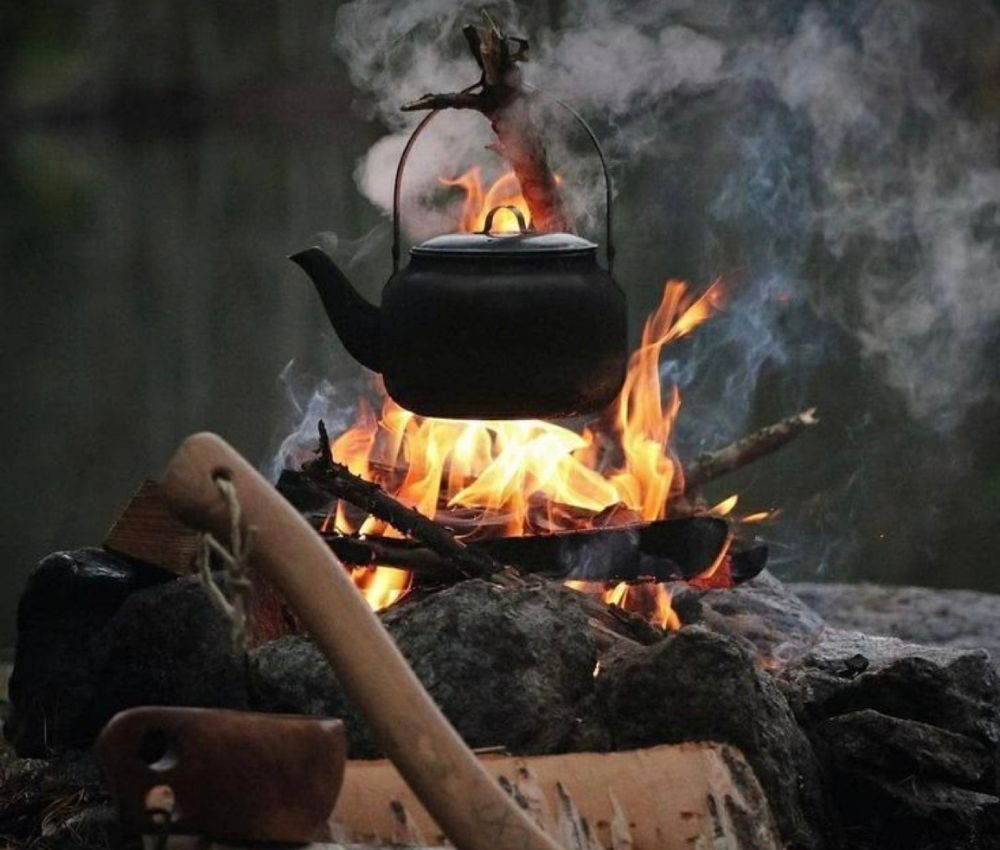
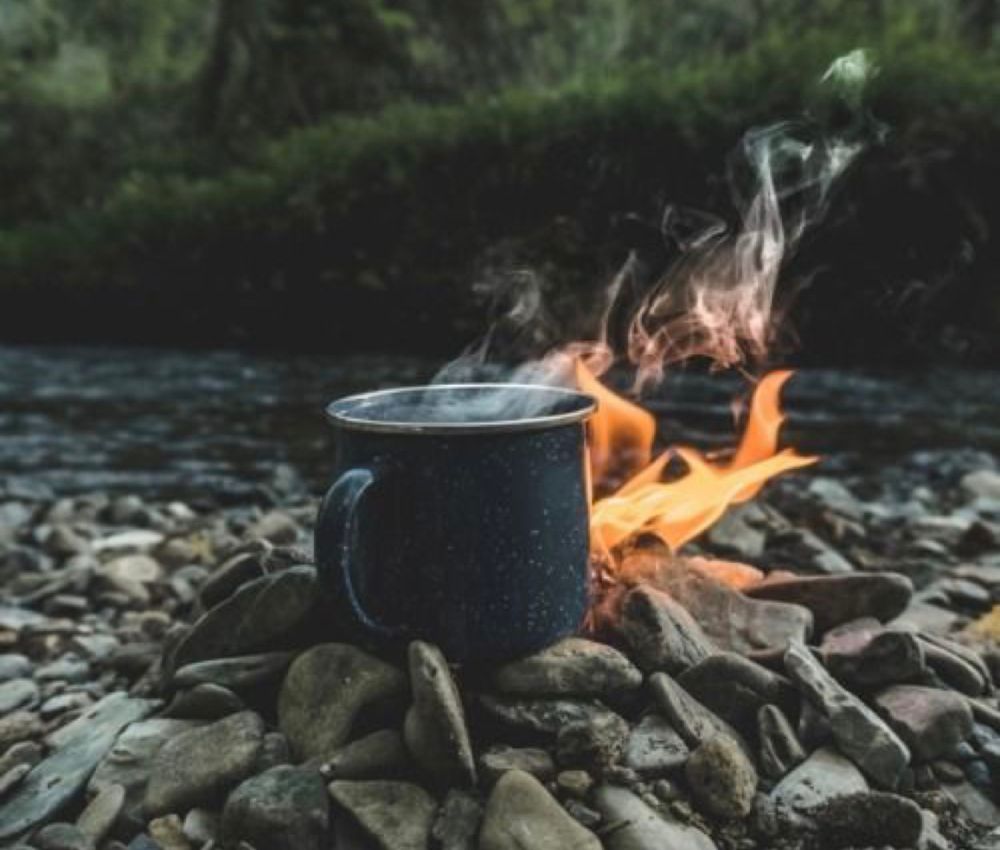
100000 Cups of Tea: How This Space Matters
100000 Cups of Tea: How This Space Matters
This week’s cuppa began gently, with people arriving from very different mornings. One person had worked through the night to complete an eighteen-month research project. Another joined while watering the lawn at dawn. Someone else had just come home from travel. The slow gathering reminded us stopping for a cuppa creates a moment to pause and connect no matter how the day begins.
As we always share, 100,000 Cups of Tea grew out of what we learned while living and working alongside Indigenous First Nations communities in the red deserts of Central and Western Australia. A humble cup of tea was often the doorway into reflection, agreement, connection and deep listening. Encouraged by remembering Old Man Frank, whose message about slowing is a reminder of the need for balance and to use other frameworks that are available to us as we bring about change for ourselves and in the work we do, Maybe slow down. Maybe sit by a river and yarn more. Maybe learn a lot from yarning. These weekly cuppas continue that practice.
A place people genuinely look forward to
In a world driven by deadlines and urgency, having a space designed for presence is rare. The cuppas give people a dependable moment to reset and connect each week. One reflection captured the value of simple consistency: I really look forward to these...I can be there this week and that is great because I know it is there. Someone else described it as a weekly ritual that offers grounding: It is like a church. You come as you are and you walk away refreshed.
Conversations that open new thinking
Visitors spoke about how these conversations help things move in them. Sitting with others for even half an hour can soften fixed ideas and open space for new ones. Hearing different perspectives side by side helps reveal options and approaches that individuals might not arrive at on their own.
People commented on the depth of these short conversations. There is a meatiness to it. It is contemplative. Another shared how often the kōrero shifts their perspective.
It is a half hour of being challenged in positive ways. Why did I not think of that. What could I do differently because of it. While someone else described what happens internally after the call: I go away and think about it. Some things resonate. Some things make me rethink what I said and why I said it.
Practicing voice, listening and difference
People reflected on what it feels like to speak in this space and how the cuppa shapes their own thinking. One person shared, I am sometimes surprised at what I contribute. Other times I think I did not really like that contribution. Another added, You can be challenged in a safe way. It makes me think about what I said and why I said it.
Another share was about the value of being among people who do not think the same way: The ability to be in a space where you do not all agree, and someone can challenge you in a way that still feels safe, is really important.
These reflections describe a kind of relational learning that is hard to find elsewhere. People are practicing voice, listening and difference at the same time. The cuppa becomes a place where honesty, reflection and disagreement can sit together without pressure, much like the yarning circles, talanoa, wānanga, drawing from the worlds and ways of Indigenous peoples.
Visitors Reflecting on Learning From Te Ao Māori
Throughout the kōrero, people reflected on hearing about things from Te Ao Māori and Indigenous perspectives is one thing they appreciate about 100,000 Cups of Tea. One person described it simply: It feels grounded in Te Tiriti. Like when you are on a marae and everyone has a voice. It does not matter if you know nothing or everything. They talked about how this feels different to most spaces they sit in. There is room to speak, room to listen, and room to learn without pressure. Someone described it as having a “wealth bank” in their mind because of how much they take in each week.
Another reflection went deeper into worldview and practice. One person shared a distinction they have carried for decades: Indigenous ways of working are about coming together and building a relationship before doing the business. Western ways often do the business first and hope the relationship follows. They spoke about the cohesiveness and joint thinking that comes from the first approach, and how much it has influenced their own way of operating.
Toward the end of the cuppa, several people expressed how meaningful it is to learn from Māori perspectives in this space. One person said, I really appreciate any time you offer perspective. It is something I did not realise I missed. Hearing this helps me understand things I cannot access where I am now (coming from Los Angeles).
In response, Walk Together shared why these contributions matter:
I love very much to open up the Māori worldview. It is the opportunity to spread awareness of how things are different and how they are helpful.
Together, these reflections show why this part of the cuppa holds so much meaning. The Māori and Indigenous perspectives shared here give people a window into ways of thinking they do not always have access to in their own environments. Walk Together is passionate about this, because when we come into the space between worlds, we begin to see and feel more of what usually sits out of view. Much of this sits under the iceberg layer, in the emotional and cultural intelligence that shapes how people move, relate and understand the world. These insights are only available by invitation, and the cuppa creates a gentle place where those deeper layers can be shared, understood and appreciated.
A conversation shaped by community, not facilitation
Others linked this directly to the emotional depth of the cuppa. One person noted, We talk about some really tough things here. It is nice to have a space to come to where we can process some of the feelings that come with that. They also highlighted the self-awareness that comes with a half-hour rhythm: people speak, self-edit, and make sure no one dominates.
Another reflection captured why Indigenous grounding makes this space distinct from many others: In other values-based spaces, things are usually facilitated. There is a thread you follow or a facilitator teaching something. But here, everyone can practice their thoughts, hear different perspectives and experiment. I do not know any other space where this happens. It can feel intimidating at times because there is so much wisdom in the room, but it still feels valuable and safe.
People also reflected on how unusual it is to be in a space that is not tightly facilitated.
It is very rare to have a space where everyone can speak and where you can experiment with your thinking.
This opened space for Walk Together to share the intention behind this design.
We try not to facilitate because the goal is a power-sharing in this context. Just because we started the cuppas does not mean we need to control how the community is in these spaces. We try not control to on purpose.
This practice sits inside Mutual Ways, where stepping back allows community wisdom to emerge. It also mirrors what we learned from Indigenous ways of knowing and doing, where shared time and open dialogue strengthen relationships more than structured agendas ever could.
Relationships and ideas that flow beyond the call
People noted how the cuppa is beginning to influence other parts of their lives. One person shared that “it’s now starting to leach out from this session into other parts,” describing how participating here has led them to connect with new people on LinkedIn and expand their network in unexpected ways.
There were also reflections about the unseen community who read the weekly recaps. Some share them with colleagues. Others use them as conversation starters in their workplaces. People who have never attended the cuppa still engage with the ideas. This shows how small relational practices can create wider shifts in understanding and connection. Someone summed up the wider impact:
Wherever there is ritual, there is community. We have so few spaces like this now.
Final Cuppa for 2025
100000 Cups of Tea is one of our most treasured kaupapa within Walk Together, and it will carry on in 2026. We have a few creative ideas to bring in next year, but we will hold tight to the parts of this space that people value most. Thank you to everyone who comes to the weekly cuppas and to those who read the recounts each week. Your presence, your reflections and your voices shape this community.
Tomorrow at 11am we will hold our final cuppa for 2025. We would love you to join us for half an hour of reflections and celebrations. Please bring something to share, whether a story, an inspiration or a reflection. Bring your favourite mug, and feel free to dress up for Christmas if that brings you joy.
A special thank you to the authors of the Cups of Tea newsletter, Evalesi Tu’inukuafe, Emma Webb and Arama Mataira. Thank you for the mahi behind the scenes to capture people’s voices in a way that remains true to how they were shared. This is a real skill and an important part of keeping the kaupapa authentic and connected.
If we do not see you at the final cuppa, we wish you a blessed and safe summer period on behalf of Walk Together Aotearoa. Thank you for all the mahi you carry in your communities and in the spaces you work in. We see it, and we are grateful to stay connected to it through you.
Mauri ora e te whānau o 100000 Cups of Tea 2025.
Join us this Friday at 11am for 30 minutes. Register Here to join. Nau Mai, Haere Mai - all are welcome.